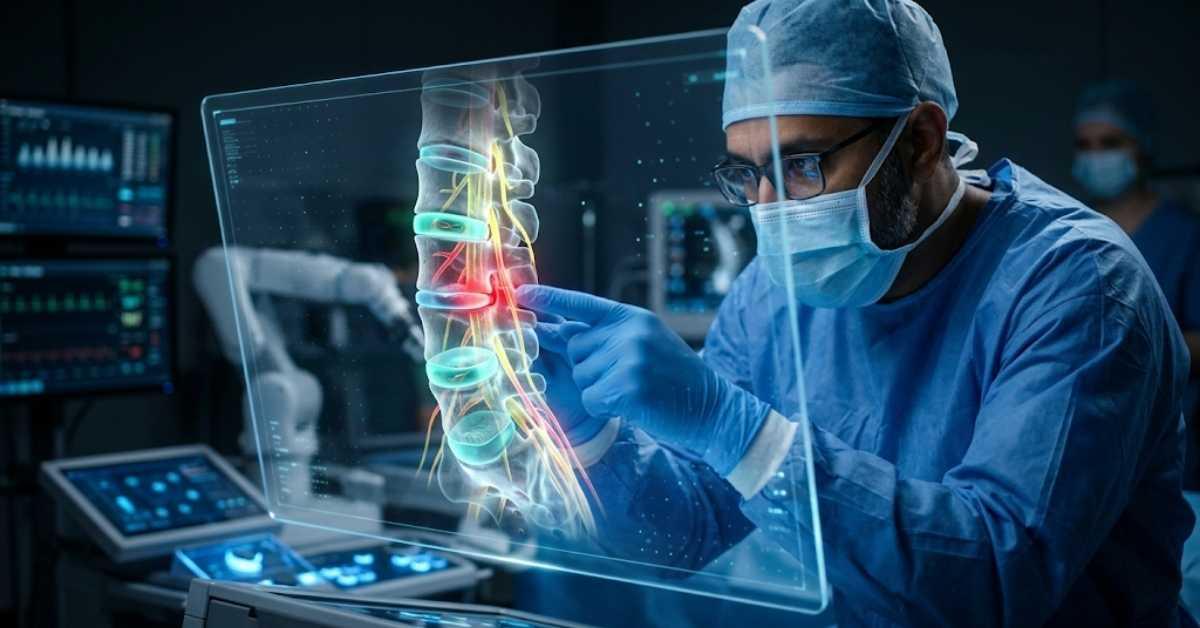
Brain Tumour Surgery Explained: A Compassionate Guide for International Patients
Receiving a diagnosis of a brain tumour can be an incredibly daunting and overwhelming experience, not just for the patient but for their entire family. The uncertainty, the fear, and the complex medical terminology can leave anyone feeling lost. Our aim with this guide is to demystify brain tumour surgery, offering clarity and reassurance in simple terms. Understanding your options and what to expect is the first step towards making informed decisions about your care, especially when considering treatment abroad.
Who This Is For
This guide is thoughtfully crafted for international patients and their families who are navigating the complexities of a brain tumour diagnosis. Whether you've recently received this news, are exploring treatment options, or are considering seeking advanced medical care in India, we understand the emotional and practical challenges you face. Our goal is to provide you with clear, empathetic, and actionable information to help you and your loved ones make the best possible decisions for your health journey.
What Is a Brain Tumour and Why is Surgery Considered?
At its core, a brain tumour is an abnormal growth of cells within the brain. These growths can be either benign (non-cancerous) or malignant (cancerous). While benign tumours do not spread to other parts of the body, they can still cause significant problems by pressing on vital brain structures. Malignant tumours, on the other hand, are more aggressive and can invade surrounding brain tissue. When a brain tumour is diagnosed, surgery is often considered the primary treatment option. The main goals of brain tumour surgery are typically to remove as much of the tumour as safely possible, relieve pressure on the brain, alleviate symptoms, and obtain tissue for an accurate diagnosis. For many types of brain tumours, especially those that are accessible and haven't spread extensively, surgical removal offers the best chance for a positive outcome or to improve quality of life.
Early Signs and Symptoms to Watch For
Brain tumour symptoms can vary widely depending on the tumour's size, location, and rate of growth. They often develop gradually and can sometimes be mistaken for other conditions. However, being aware of potential signs can prompt earlier consultation with a specialist. It's important to remember that experiencing one or more of these symptoms does not automatically mean you have a brain tumour, but it warrants medical attention.
When Should You See a Specialist?
If you or a loved one are experiencing any of the symptoms mentioned above, especially if they are persistent, worsening, or appear suddenly, it is crucial to consult a medical professional without delay. While many conditions can cause similar symptoms, a specialist, such as a neurologist, can accurately assess your situation, conduct necessary diagnostic tests, and provide a precise diagnosis. Early detection and intervention are often key to achieving the best possible outcomes for brain tumours. Do not hesitate to seek a second opinion if you feel it's necessary for your peace of mind and comprehensive understanding of your condition.
How Is a Brain Tumour Typically Diagnosed?
The diagnostic process for a brain tumour typically involves several steps, designed to pinpoint the exact nature and location of the growth. It usually begins with a thorough neurological examination, where the specialist assesses your vision, hearing, balance, coordination, strength, and reflexes. Following this, imaging tests are crucial. Magnetic Resonance Imaging (MRI) scans are often the gold standard, providing detailed images of the brain. Computed Tomography (CT) scans may also be used. These scans help doctors identify the tumour's size, location, and whether it's pressing on surrounding brain tissue. In many cases, a definitive diagnosis requires a biopsy. This involves surgically removing a small sample of the tumour tissue, which is then examined under a microscope by a neuropathologist. The biopsy results determine whether the tumour is benign or malignant, its specific type, and its grade, all of which are vital for planning the most effective treatment.
Treatment Pathways: Understanding Your Options – Including Brain Tumour Surgery Explained
Once a brain tumour is diagnosed, a multidisciplinary team of specialists, including neurosurgeons, neurologists, oncologists, and radiation oncologists, will collaborate to develop a personalised treatment plan. This plan considers the tumour type, size, location, your overall health, and your preferences.
Brain tumour surgery explained is often the cornerstone of treatment. The goal is to remove as much of the tumour as safely possible while preserving brain function. Surgical techniques have advanced significantly, now including minimally invasive approaches, image-guided surgery, and awake craniotomy, which allows surgeons to monitor brain function during the procedure. For a deeper understanding of the surgical procedures involved, you can explore details on brain tumour resection (https://www.vrhhealthcare.com/procedures/brain-tumor-resection).
Beyond surgery, other treatment options may include:
- Radiation Therapy: Uses high-energy rays to kill tumour cells or shrink tumours.
- Chemotherapy: Uses drugs to kill cancer cells, often administered orally or intravenously.
- Targeted Therapy: Drugs that specifically target vulnerabilities in cancer cells.
- Watchful Waiting: For very slow-growing, benign tumours that are not causing symptoms, a 'wait and watch' approach with regular monitoring might be recommended.
The choice of treatment pathway is highly individualised, focusing on the best possible outcome for each patient.
Navigating Your Journey: From Diagnosis to Treatment in India
Embarking on a medical journey abroad, especially for something as significant as brain tumour treatment, can feel overwhelming. However, India has emerged as a leading destination for advanced neurological care (https://www.vrhhealthcare.com/specialities/neurology-treatment-in-india), offering world-class facilities, highly skilled neurosurgeons, and compassionate support systems for international patients. Your journey typically begins with an initial consultation, which can often be conducted remotely via telemedicine. This allows you to discuss your diagnosis, share medical reports, and receive preliminary advice from a specialist in India before you even travel. Once a treatment plan is outlined and you decide to proceed, our dedicated international patient services teams assist with every logistical detail. This includes visa assistance, travel arrangements, airport transfers, accommodation for you and your family, and even language interpretation services to ensure clear communication at every step. We understand that cultural differences can be a concern. Indian healthcare providers are accustomed to caring for patients from diverse backgrounds, ensuring a culturally sensitive and comfortable environment. The focus is on providing holistic care, addressing not just your medical needs but also your emotional well-being and practical comforts throughout your stay.
What to Expect During and After Brain Tumour Surgery
Understanding what happens during and after brain tumour surgery can help alleviate anxiety. Before surgery, you'll undergo comprehensive pre-operative assessments, including blood tests, imaging, and consultations with the anaesthesiologist and surgical team. They will explain the procedure in detail, answer your questions, and ensure you are fully prepared. On the day of surgery, you will receive general anaesthesia. The neurosurgeon will then carefully access the tumour, often using advanced navigation systems to ensure precision. The duration of the surgery varies greatly depending on the tumour's complexity. Following the procedure, you will typically spend some time in an intensive care unit (ICU) for close monitoring. Pain management will be a priority, and medication will be provided to keep you comfortable. As you recover, you'll be moved to a regular ward. The recovery period is unique for everyone, but it often involves rehabilitation therapies such as physiotherapy, occupational therapy, and speech therapy to help regain any lost functions and adapt to changes. Throughout this period, emotional support is paramount. Our teams are dedicated to supporting not just the patient but also their family, providing guidance and reassurance as you navigate the path to recovery. We believe in empowering you with information and support, ensuring you feel cared for and confident in your journey.
Conclusion
Facing a brain tumour diagnosis and the prospect of surgery is undoubtedly challenging, but it's a journey you don't have to undertake alone. With advancements in medical science and the compassionate expertise available, particularly in destinations like India, there is significant hope and effective treatment pathways. Understanding your condition and the options available, including brain tumour surgery explained in clear terms, empowers you to make informed decisions. We encourage you to seek timely consultation with specialists and explore all avenues for care. India stands as a trusted destination, offering world-class medical expertise combined with a supportive environment for international patients and their families.
VRH Healthcare can help connect you with the right specialist for a personalised assessment and guide you through every step of your medical journey.