When Is MOHS Surgery Recommended for Skin Cancer?
Receiving a skin cancer diagnosis can be a daunting experience, not just for the patient but for the entire family. Understanding your treatment options is a crucial step towards regaining control and peace of mind. Among the various approaches, Mohs Micrographic Surgery stands out for its precision and high success rates in treating certain types of skin cancer. This guide aims to demystify when is Mohs surgery recommended, offering clarity and support as you navigate these important decisions, especially if you're considering treatment abroad.
Who This Is For: Navigating Skin Cancer Treatment Options
This guide is crafted for international patients and their families who are facing a skin cancer diagnosis and are exploring advanced treatment options, including the possibility of medical care in India. Perhaps you've received a diagnosis of basal cell carcinoma (BCC) or squamous cell carcinoma (SCC), or you're seeking a second opinion for a complex or recurrent skin lesion. We understand the emotional weight of such a diagnosis and the practical challenges of seeking treatment away from home. Our aim is to provide clear, compassionate information to help you and your loved ones make informed decisions about your health journey, ensuring you feel supported every step of the way.
What Is Mohs Micrographic Surgery?
Mohs Micrographic Surgery, often simply called Mohs surgery, is a highly specialised and precise surgical technique used to treat common types of skin cancer, including basal cell carcinoma and squamous cell carcinoma. What sets Mohs apart is its unique approach: the surgeon removes skin cancer layer by layer, examining each layer under a microscope immediately after removal. This allows for the precise identification and removal of cancerous tissue while sparing as much healthy tissue as possible. The process continues until no cancer cells are detected, ensuring complete removal with minimal impact on surrounding healthy skin. This meticulous, real-time examination significantly increases the cure rate and minimises the size of the surgical wound, which is particularly beneficial for cosmetically sensitive areas. To learn more about this advanced procedure and its benefits, you can explore details on Mohs surgery (https://www.vrhhealthcare.com/procedures/mohs-surgery).
Early Signs and Symptoms of Skin Cancer
Recognising the early signs of skin cancer is vital for timely diagnosis and effective treatment. While not all skin changes are cancerous, it's important to be vigilant and consult a specialist if you notice anything unusual. Skin cancer often presents as a new growth, a sore that doesn't heal, or a change in an existing mole. Being aware of these indicators can make a significant difference in your treatment journey.
When Should You See a Specialist for Skin Concerns?
If you observe any of the aforementioned signs or symptoms, or if you have a suspicious mole or lesion that concerns you, it is always advisable to consult a dermatologist. Early detection is paramount in treating skin cancer effectively. Don't delay seeking professional advice, even if you're unsure. A specialist can accurately assess your skin, perform necessary diagnostic tests, and guide you on the best course of action. For comprehensive care and expert consultation on various skin conditions, including advanced dermatological treatments, you can find more information on dermatology treatment in India (https://www.vrhhealthcare.com/specialities/dermatology-treatment-in-india). Remember, your peace of mind is invaluable, and a professional evaluation is the first step towards clarity.
How Is Skin Cancer Typically Diagnosed?
The diagnostic process for skin cancer usually begins with a thorough visual examination by a dermatologist. They will carefully inspect any suspicious lesions, often using a dermatoscope – a handheld device that magnifies the skin's surface. If a lesion appears concerning, the next crucial step is a biopsy. During a biopsy, a small sample of the suspicious tissue is removed and sent to a pathology lab for microscopic examination. This is the only definitive way to confirm the presence of cancer cells and determine the specific type of skin cancer. Depending on the type and stage of cancer, further imaging tests might be recommended, though this is less common for early-stage basal cell and squamous cell carcinomas.
Treatment Pathways: What Are Your Options?
Once skin cancer is diagnosed, your medical team will discuss various treatment options tailored to your specific situation. The choice of treatment depends on several factors, including the type of skin cancer, its size, location, depth, and your overall health. Common treatment pathways include surgical excision (where the tumour is cut out along with a margin of healthy tissue), cryotherapy (freezing the cancer cells), topical chemotherapy creams, radiation therapy, and Mohs Micrographic Surgery. Each option has its own advantages and considerations. Your specialist will explain these in detail, helping you understand which pathway is most suitable for your unique case, always prioritising both efficacy and cosmetic outcome.
When Is Mohs Surgery Recommended?
Understanding when is Mohs surgery recommended is key to making an informed decision. This highly specialised procedure is not typically the first choice for all skin cancers but is specifically indicated for certain situations where its precision offers significant advantages. The primary goal is to remove the cancer completely while preserving as much healthy tissue as possible, which is crucial for both functional and cosmetic outcomes.
Mohs surgery is often recommended for:
- Cancers in cosmetically and functionally sensitive areas: This includes the face (especially around the eyes, nose, lips, and ears), scalp, neck, hands, feet, and genitals. In these areas, preserving healthy tissue is paramount to minimise scarring and maintain function.
- Large or aggressive tumours: Cancers that are larger in size or exhibit aggressive growth patterns can benefit from Mohs' meticulous approach, which ensures complete removal.
- Recurrent skin cancers: If a skin cancer has returned after previous treatment, Mohs surgery is often recommended due to its high success rate in identifying and removing residual cancer cells that may have been missed.
- Cancers with ill-defined borders: Some skin cancers do not have clear visible edges, making it difficult to determine their full extent. Mohs surgery allows the surgeon to trace the cancer's roots precisely.
- Rapidly growing or high-risk basal cell carcinomas (BCCs) and squamous cell carcinomas (SCCs): While Mohs is primarily used for BCCs and SCCs, it is particularly effective for those subtypes that are more challenging to treat with conventional methods.
- Patients with compromised immune systems: For individuals whose immune systems are weakened, the risk of cancer recurrence can be higher, making the thoroughness of Mohs surgery particularly beneficial.
Your dermatologist will carefully evaluate your specific diagnosis, the characteristics of your tumour, and your overall health to determine if Mohs surgery is the most appropriate and effective treatment option for you. They will discuss the benefits and potential outcomes, ensuring you have a clear understanding of why this approach is being considered.
What to Expect Next: From Consultation to Care Plan
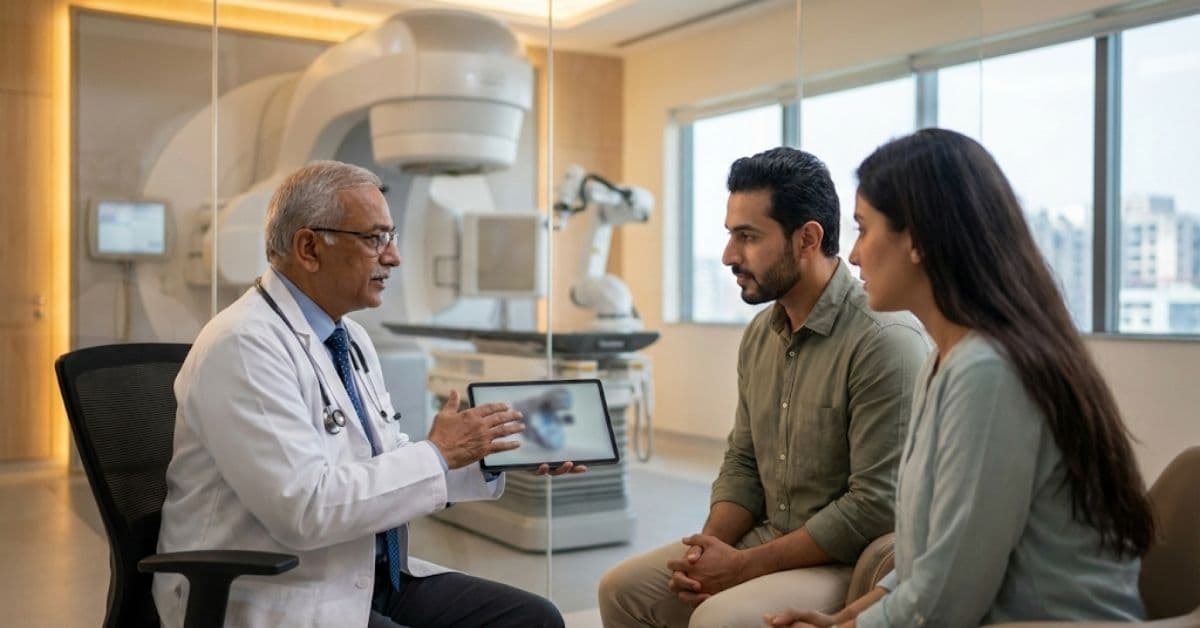
Once you've decided to pursue treatment, the journey from initial consultation to a confirmed care plan involves several steps, especially for international patients. Initially, you'll have a detailed consultation with a specialist, often virtually, to discuss your diagnosis, medical history, and treatment goals. This is an opportunity to ask questions and understand the proposed treatment plan, including whether Mohs surgery is recommended for your case. If you choose to proceed with treatment in India, our team will assist with travel logistics, including visa support, accommodation, and local transportation. Upon arrival, you'll undergo in-person evaluations, which may include further diagnostic tests to confirm the treatment plan. A dedicated care coordinator will be your point of contact, ensuring seamless communication and support for you and your family throughout your stay. We understand that seeking medical care abroad can be overwhelming, and our aim is to provide a supportive, compassionate environment where you can focus solely on your recovery.
Conclusion
Navigating a skin cancer diagnosis requires courage and clarity. Understanding when is Mohs surgery recommended empowers you to make informed decisions about your health. Remember, early action and seeking expert advice are your strongest allies. India has emerged as a trusted destination for advanced medical treatments, offering world-class dermatological care with a compassionate approach. We are here to support you and your family through every step of this journey, ensuring you receive the best possible care and emotional reassurance.
VRH Healthcare can help connect you with the right specialist for a personalised assessment and to explore your treatment options.