Understanding the Cost Factors of Hysterectomy in India: A Comprehensive Guide for International Patients
Considering a hysterectomy can be a significant decision, especially when exploring options abroad. This guide is designed for international patients and their families, offering a clear, compassionate overview of the various factors that influence the overall hysterectomy cost in India. We aim to help you understand the components of medical expenses, travel logistics, and practical considerations, empowering you to plan your medical journey with confidence and clarity, without providing specific price figures.
What This Cost Guide Covers
Embarking on a medical journey in a new country can feel overwhelming, and understanding the financial aspects is often a primary concern. This guide is crafted to demystify the elements contributing to the overall hysterectomy cost in India. Our goal is not to provide exact price lists or package deals, as these are highly individualised based on your specific medical needs and chosen treatment plan. Instead, we will walk you through the key variables that influence expenses, helping you anticipate and plan for your treatment journey. Think of this as a roadmap to understanding the financial landscape, enabling you to ask informed questions and make well-considered decisions for your health and well-being.
Main Factors That Influence Cost
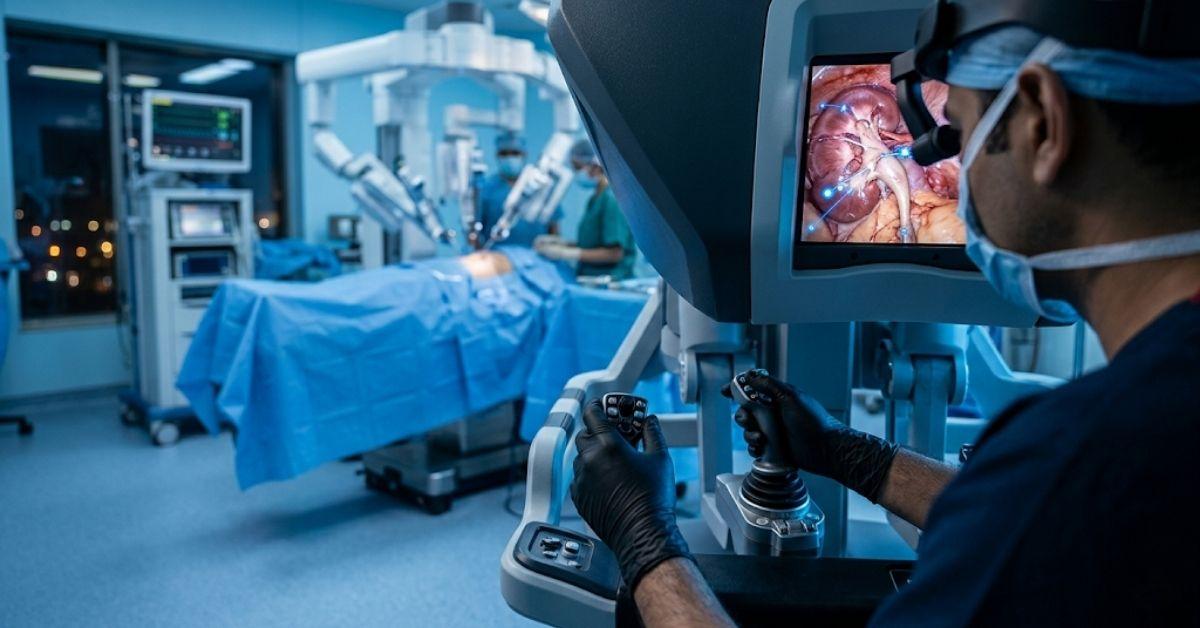
The overall hysterectomy cost in India is a dynamic figure, shaped by a combination of clinical and logistical variables. Understanding these factors is crucial for comprehensive planning. The type of hysterectomy recommended, for instance, plays a significant role. A total hysterectomy, which removes the uterus and cervix, will differ in complexity and cost from a subtotal hysterectomy (removing only the uterus) or a radical hysterectomy (removing the uterus, cervix, and surrounding tissues). You can learn more about the various types of hysterectomy and what they entail by visiting our detailed guide on hysterectomy in India (https://www.vrhhealthcare.com/procedures/hysterectomy-in-india). The surgical approach also impacts the cost. Options include traditional open abdominal surgery, minimally invasive laparoscopic surgery, or advanced robotic-assisted surgery. Minimally invasive techniques often lead to shorter hospital stays and quicker recovery, but may involve higher initial surgical fees due to specialised equipment. The choice of hospital tier – whether a multi-speciality hospital with advanced technology or a more focused facility – will also influence pricing. Furthermore, the experience and reputation of your surgeon, the type of anaesthesia used, and the duration and intensity of pre-operative diagnostics and post-operative care all contribute to the final figure. Any unforeseen complications, though rare, can also extend your stay and add to the expenses. The quality and brand of any medical consumables or implants used during the procedure are also factored in.
What Is Typically Included vs. Excluded?
When considering medical treatment abroad, it’s vital to understand what a typical treatment package covers and what expenses you might need to budget for separately. This clarity helps prevent surprises and ensures a smoother financial journey.
Typically Included
Most comprehensive medical packages for a hysterectomy in India generally cover the core medical aspects of your treatment. This usually includes the surgeon's fees, anaesthesiologist's fees, and the cost of the surgical procedure itself. Your hospital stay for the duration of the surgery and immediate recovery, including nursing care, standard medications administered during your stay, and basic diagnostic tests performed while hospitalised, are also typically part of the package. Initial consultations with your gynaecologist and follow-up appointments during your hospital stay are often included as well.
- Surgeon's and Anaesthesiologist's Fees
- Cost of the Surgical Procedure
- Hospital Stay (Room, Board, Nursing Care)
- Standard Medications Administered During Stay
- Basic Diagnostic Tests During Hospitalisation
- Initial Consultations and In-hospital Follow-ups
Typically Excluded
While the medical procedure is largely covered, several significant expenses are usually excluded and require separate budgeting. These often include international airfare for the patient and accompanying family members, accommodation outside of the hospital stay (e.g., pre-operative lodging or post-discharge recovery), and local transportation within India. Visa application fees, travel insurance, and personal expenses such as meals, shopping, and sightseeing are also typically excluded. Any extended rehabilitation, specialised post-discharge medications, or long-term follow-up consultations once you return home will also be additional costs. It's also important to note that any treatment for pre-existing conditions unrelated to the hysterectomy, or complications arising from them, might incur separate charges.
- International Airfare
- Accommodation Outside Hospital Stay
- Local Transportation
- Visa Application Fees and Travel Insurance
- Personal Expenses (Meals, Shopping)
- Extended Rehabilitation or Physiotherapy
- Specialised Post-Discharge Medications
- Treatment for Unrelated Pre-existing Conditions
How Complexity Changes the Plan
The complexity of your medical condition and the specific requirements of your hysterectomy can significantly alter your treatment plan and, consequently, the overall cost. For instance, if your condition necessitates a more intricate surgical approach, such as a radical hysterectomy for certain cancers, or if there are significant co-morbidities, your surgical time and hospital stay might be longer. The need for intensive care unit (ICU) monitoring, either pre-emptively or due to post-operative complications, will add to the expenses due to the specialised equipment and higher nurse-to-patient ratio. The choice of medical implants, if any, such as specific types of sutures or meshes, can also vary widely in cost depending on their brand and material. Furthermore, some complex cases may require a multi-stage treatment plan, involving separate procedures or extended periods of observation, each contributing to the overall financial outlay. It is always recommended to have a thorough pre-assessment to anticipate these factors.
Length of Stay and Rehabilitation Planning
Understanding the typical length of stay in India is crucial for both medical and logistical planning. For a standard hysterectomy, patients can generally expect a hospital stay of 3-7 days, depending on the surgical approach (e.g., laparoscopic procedures often allow for shorter stays than open surgery) and individual recovery progress. Following discharge, it is usually recommended that international patients remain in India for an additional 7-14 days for post-operative check-ups, wound care, and to ensure stable recovery before undertaking long-haul travel. This total duration, typically 2-3 weeks, allows for adequate healing and reduces the risk of complications during your journey home. Rehabilitation in India often involves gentle mobilisation and dietary advice, with more intensive physiotherapy usually commencing once you return to your home country, tailored to your specific needs. Planning for this extended stay, including accommodation and daily living expenses, is an important part of your overall budget.
Documents and Reports to Share for an Estimate
To receive a personalised and accurate cost estimate for your hysterectomy in India, it is essential to provide your medical team with a comprehensive set of documents and reports. This allows specialists to thoroughly review your case, understand your specific condition, and recommend the most appropriate treatment plan. For a detailed understanding of gynaecological conditions and treatments, you may find our gynaecology treatment in India (https://www.vrhhealthcare.com/specialities/gynecology-treatment-in-india) page helpful. The more information you provide, the more precise your estimate will be, helping you plan effectively.
Region-Sensitive Planning Notes
For international patients, planning a medical journey to India involves more than just medical considerations. Visa requirements vary significantly by country of origin, so it's crucial to research and apply for the appropriate medical visa well in advance. Many countries have specific documentation requirements, and processing times can differ. Budgeting should also account for currency exchange rates, which can fluctuate, and it's wise to have a contingency fund for unforeseen expenses. Culturally, India is a diverse nation, and while English is widely spoken in medical facilities, familiarising yourself with basic local customs or having a local assistant can enhance your experience. Consider the climate of your chosen city in India during your travel dates, as this can influence comfort and packing. Planning for travel insurance that covers medical emergencies abroad is also highly recommended for peace of mind.
Conclusion
Navigating the complexities of medical treatment abroad, particularly understanding the hysterectomy cost in India, can seem daunting. However, with careful planning, clear communication, and the right support system, this journey can be manageable and lead to positive health outcomes. India offers world-class medical expertise and advanced facilities, providing a valuable option for international patients seeking quality care. We at VRH Healthcare are committed to supporting you and your family through every step of this process, ensuring you feel informed and cared for.
Share your medical reports with us, and our patient care team will prepare a personalised estimate for your review, guiding you through your treatment options.